
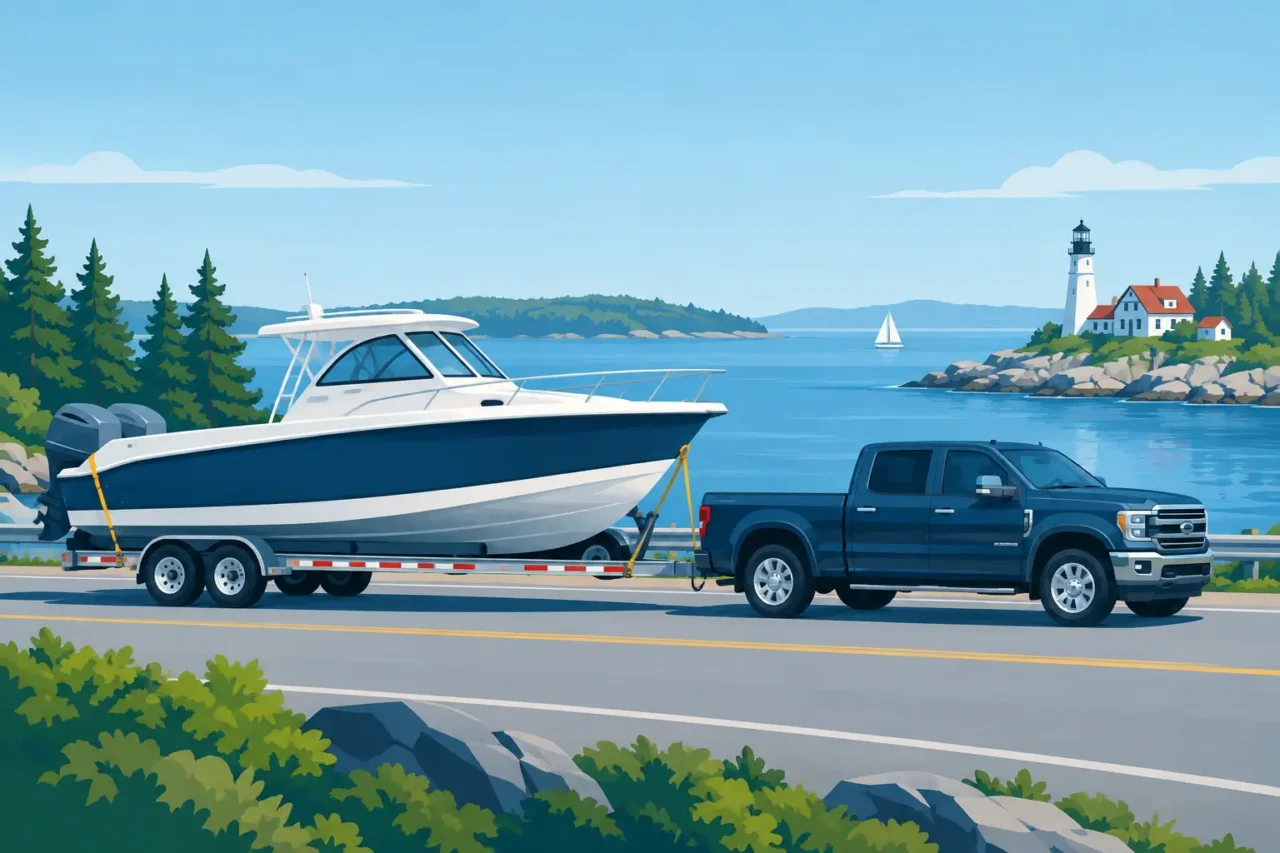
A boat is not just another load on a trailer. Its beam, height, weight, trailer condition, launch access, and destination approach all affect whether the move goes smoothly. The right boat transport service Maine owners choose starts by asking the practical questions before a truck is dispatched: What is being moved, where is it sitting, can the trailer travel safely, and what does placement require at the other end?
For a seasonal move between a coastal yard and inland storage, timing may be flexible. For a sale, repair appointment, marina deadline, or a boat that needs to clear a property before weather turns, the schedule can be less forgiving. In either case, direct transport, clear communication, and careful handling matter more than a vague promise of availability.
When Boat Hauling Requires a Professional
Many boat owners can tow a small boat locally with their own vehicle. That does not make every move a do-it-yourself job. Longer runs, larger boats, unfamiliar roads, heavy trailer loads, and tight destination properties introduce risks that are easy to underestimate.
Maine presents its own operating conditions. A route that looks straightforward on a map may include narrow camp roads, low limbs, steep drives, limited turnarounds, seasonal access restrictions, or marina approaches crowded with parked equipment. Coastal moves can also involve launch schedules and changing weather. A carrier needs the details early enough to select the right truck, confirm the route, and plan a safe arrival window.
Professional hauling is especially useful when the boat must travel outside the immediate area, when the owner cannot be present for the full move, or when there is no room for a second attempt at pickup or placement. The goal is not simply to get a trailer from Point A to Point B. It is to keep the vessel, trailer, property, and schedule protected throughout the move.
Boat Transport Service Maine Owners Can Plan Around
A dependable boat move begins with direct accountability. With direct transport, one vehicle carries the boat from pickup through delivery without unnecessary transfers between terminals, drivers, or staging locations. That reduces handling and gives the customer a clearer chain of custody.
At Comet Couriers, boat transport is coordinated as a quote-based hauling service, with the job scoped around the boat, trailer, route, timing, and site conditions. Dispatch is available 24/7, which matters when pickup windows change, a marina needs equipment moved quickly, or weather creates a narrow opportunity to get the job done.
Communication should be part of the service, not an afterthought. Owners and logistics contacts need to know when the driver is en route, whether an access issue has been identified, and when delivery is complete. Live status updates and documented proof of delivery create a clear record, particularly when a boat is being moved between a dealer, repair facility, storage property, marina, or private residence.
Insurance and driver qualifications matter as well. Hauling equipment must match the load, and larger or more complex moves may require Class A CDL capacity. A carrier should be able to explain its cargo protection and operating credentials plainly. Comet Couriers carries $1 million in truck insurance and $100,000 in cargo insurance, providing defined coverage while the boat is in transit.
The Details That Need to Be Confirmed Before Dispatch
The first conversation should establish the basic dimensions and condition of the boat and trailer. Length, width, height, estimated weight, and trailer type determine equipment needs and route considerations. Do not rely only on a model name if the boat has added towers, radar arches, canvas, hardtops, or other equipment that changes its travel height.
The trailer deserves just as much attention as the boat. Tires, bearings, lights, brakes, safety chains, bunks, straps, and the winch should be inspected before pickup. If the trailer is not roadworthy, the carrier needs to know before arrival. Some situations call for a different approach than simply hooking up and leaving, and identifying that early avoids a failed pickup or an unsafe move.
Pickup and destination access should be described honestly. A narrow gravel drive, a sharp corner at the gate, soft ground, a steep grade, or limited turnaround space can affect the truck choice and the arrival plan. Photos are often helpful when the property has tight access or the boat is stored behind a building or down a wooded road.
For marina and boatyard pickups, confirm the release process before the driver arrives. The yard may require an appointment, a signed release, proof of insurance, or a specific pickup location. If the boat is in a slip or still needs to be hauled out, coordinate that work separately so the trailer is ready when the transport vehicle reaches the site.
Preparing the Boat for Road Travel
Road preparation protects the boat and reduces delays. Loose gear should be removed or secured below deck. Electronics, canvas, cushions, anchors, and personal items should not be left to shift in the wind or bounce during travel. Hatches, cabin doors, and storage compartments should be latched, while drain plugs and bilge conditions should be checked according to the boat’s storage and travel requirements.
Owners should lower or remove items that create clearance concerns when appropriate. That can include antennas, outriggers, wakeboard towers, bimini tops, or other elevated equipment. The correct approach depends on the vessel and trailer setup, so do not force components into a transport position that could cause damage.
Take dated photographs of the boat, trailer, and any existing cosmetic damage before release. This is good operating practice for any valuable asset. It creates a condition record and gives everyone a clear reference if questions arise after delivery.
Fuel level is another practical consideration. A full tank adds significant weight, which can affect towing and fuel costs. The best level depends on the boat, distance, storage plan, and manufacturer guidance, but the transport provider should know the approximate fuel load when quoting the move.
Placement at Delivery Is Part of the Job
A boat can arrive safely and still create a problem if it is dropped where it cannot be accessed, launched, serviced, or moved again. Before dispatch, decide exactly where the trailer should be placed and who will be available to receive it. Confirm whether the surface is paved, gravel, grass, or soft ground, and whether the driver will have enough room to turn and exit.
This matters at seasonal homes and rural properties, where a driveway may be adequate for a passenger vehicle but not for a truck and boat trailer. It also matters at repair shops, marinas, and storage yards with designated drop areas. A precise delivery instruction is better than asking the driver to “put it somewhere out of the way” after arrival.
If the delivery must occur after hours, establish access instructions and a receiving contact in advance. Clear authorization, location details, and proof of delivery protect both the owner and the carrier.
What Affects Boat Transport Pricing
Boat transport is priced by the actual work required, not just mileage. Distance is one factor, but urgency, dimensions, weight, trailer condition, equipment requirements, route complexity, timing, and the number of stops can all change the quote.
A straightforward local move of a properly trailered boat may require less planning than a time-sensitive interstate haul with a large vessel, difficult pickup access, and a fixed marina appointment. Oversize dimensions or special route requirements can add additional coordination. The most accurate quote comes from complete information provided upfront.
Be cautious of a price that appears to ignore the hard parts of the move. If no one asks about trailer condition, boat height, access, or delivery placement, those details have not disappeared. They may become a delay or added cost on the day of transport.
Choosing a Carrier for the Move
The best provider is not necessarily the one that gives the fastest generic answer. Look for a carrier that asks operational questions, explains what it needs from you, and provides a realistic pickup and delivery plan. For valuable boats, direct transport with no transfers offers a simpler chain of custody and fewer handling points.
Ask how updates are handled, what insurance coverage applies, whether the driver and equipment are appropriate for the load, and what happens if site conditions differ from the original description. You want a transportation partner that treats access, timing, and cargo condition as part of the assignment.
A well-planned boat move should feel controlled long before the truck arrives. Provide accurate measurements, prepare the trailer, confirm access, and make the destination plan specific. Those few steps give the driver room to do careful work and give your boat the best chance of arriving ready for its next launch, repair, sale, or storage season.